
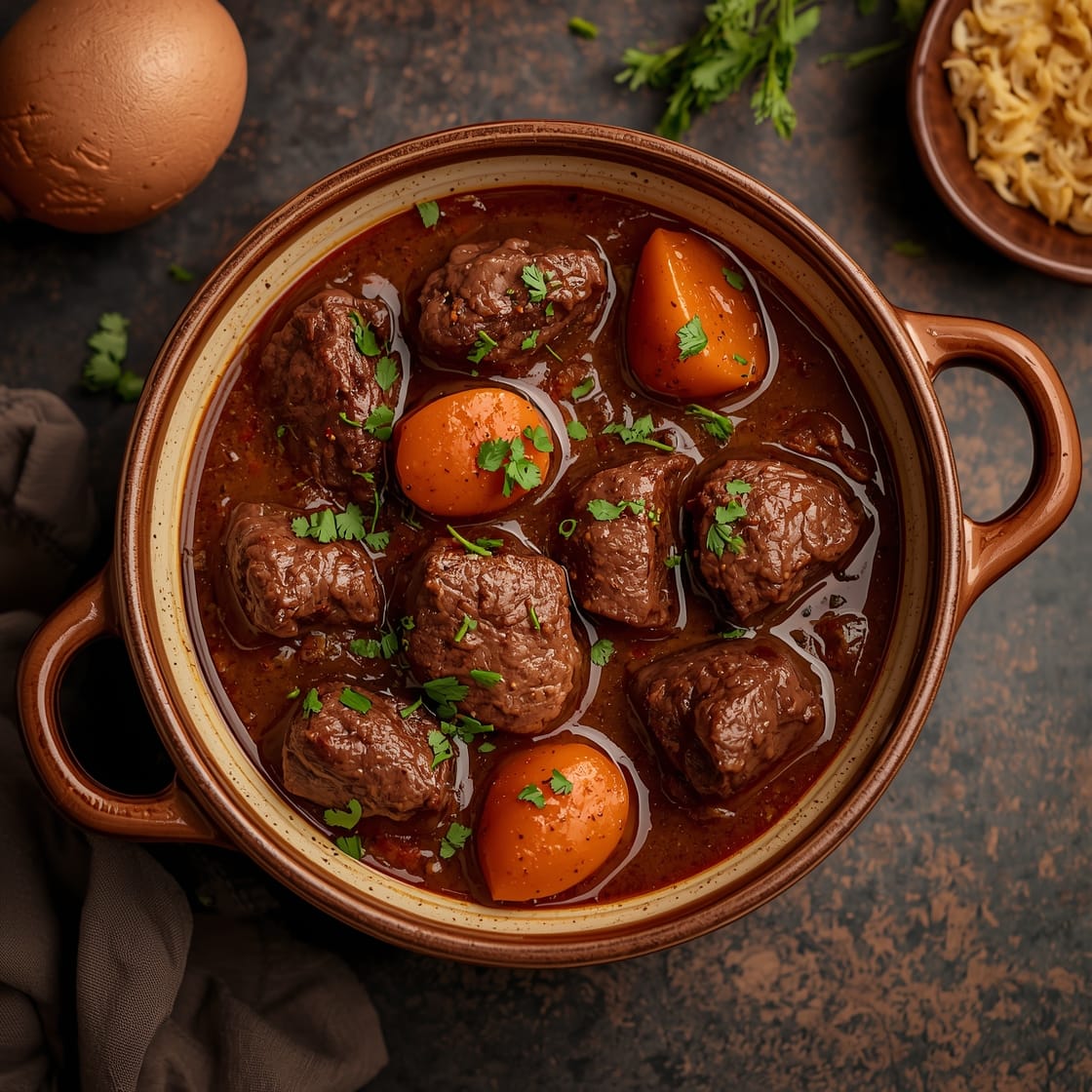
traditional German beef stew is more than just a meal; it’s a warm embrace in a bowl, a culinary journey back to cozy kitchens and family gatherings. For me, the very scent of it simmering transports me to my grandmother’s home, where robust flavors and tender ingredients were a testament to her love. This beloved traditional German beef stew embodies comfort food at its finest, promising to fill your home with an irresistible aroma and your belly with pure satisfaction. Get ready to create new memories with a dish steeped in heartwarming tradition.
Table of Contents
Why You Will Love This traditional German beef stew Recipe
This isn’t just any stew; it’s a testament to slow-cooking magic and how simple ingredients can transform into something truly extraordinary. You’ll adore this traditional German beef stew recipe for its incredible depth of flavor, its melt-in-your-mouth beef, and the ease with which such a rich dish comes together-especially when you start with the right cut of meat, as explained in this helpful tender beef cut guide.
It’s the ultimate comfort food, perfect for chilly evenings or a robust weekend meal. Forget complicated preparations; this recipe brings hearty satisfaction without the fuss, making it a wonderful option when you crave a hearty goulash-style dish but want that distinct German stew character. It’s a dish that feels like a labor of love, yet truly asks for minimal effort.

Ingredients Needed for This traditional German beef stew Recipe
Gathering your ingredients is the first step to a truly memorable meal. Quality matters here, especially for the beef.
- 2 tablespoons olive oil
- 2.5 pounds beef chuck, cut into 1.5 inch cubes
- 1 large onion, chopped
- 2 cloves garlic, minced
- 2 tablespoons all purpose flour
- 1 teaspoon caraway seeds
- 1/2 teaspoon dried marjoram
- 1 bay leaf
- 4 cups beef broth
- 1 cup dark beer (such as a stout or dunkel), optional
- 2 tablespoons tomato paste
- 1 pound carrots, peeled and cut into 1 inch pieces
- 1 pound Yukon gold potatoes, peeled and cut into 1 inch pieces
- Salt and freshly ground black pepper to taste
- Fresh parsley, chopped, for garnish
How to Make This traditional German beef stew Recipe
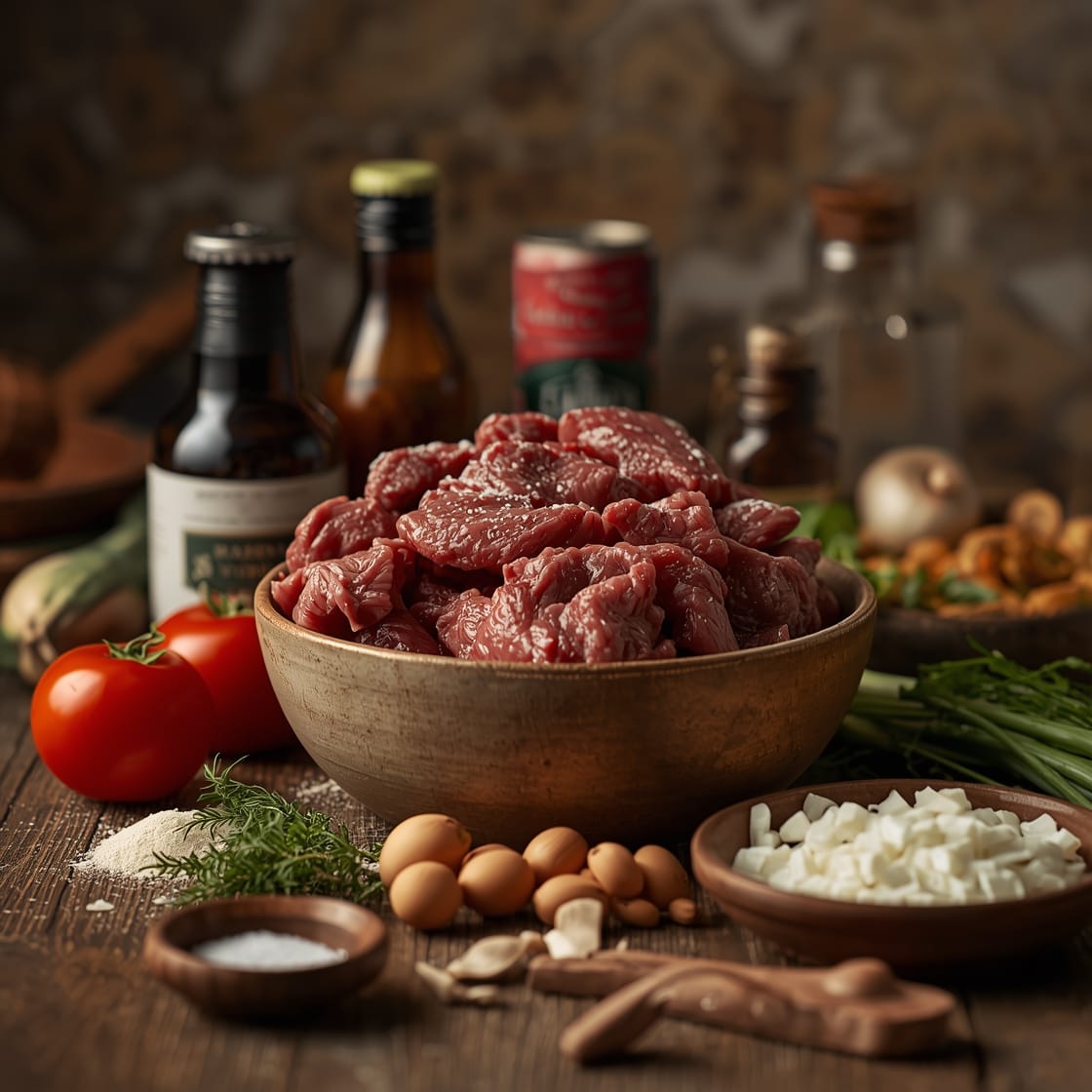
Creating this traditional German beef stew is a rewarding experience, turning simple steps into a deeply flavored meal.
- 1. Heat the olive oil in a large Dutch oven or heavy bottomed pot over medium high heat. Season the beef cubes generously with salt and pepper. Brown the beef in batches on all sides, about 3 to 4 minutes per batch. Do not overcrowd the pot. Remove the browned beef and set aside.
- 2. Add the chopped onion to the pot and cook until softened, about 5 minutes, scraping up any browned bits from the bottom. Add the minced garlic and cook for another minute until fragrant.
- 3. Sprinkle the flour over the onions and garlic, stirring constantly for 1 minute to create a roux. This will help thicken the stew.
- 4. Gradually whisk in the beef broth and dark beer (if using), ensuring there are no lumps. Stir in the tomato paste, caraway seeds, marjoram, and bay leaf. Bring the mixture to a gentle simmer.
- 5. Return the browned beef to the pot. Cover, reduce the heat to low, and simmer for 1.5 hours, or until the beef is very tender. Stir occasionally.
- 6. Add the carrots and potatoes to the pot. Continue to simmer, covered, for another 30 to 40 minutes, or until the vegetables are tender.
- 7. Remove the bay leaf. Taste the traditional German beef stew and adjust seasoning with salt and pepper as needed.
- 8. Ladle into bowls, garnish with fresh parsley, and serve hot.
How to Serve This traditional German beef stew Recipe
This traditional German beef stew is a complete meal on its own, but a few accompaniments can elevate the experience. Serve it piping hot in deep bowls, allowing the rich broth to shine. For pairing, consider a crusty bread or warm potato dumplings (Knödel) to soak up all the delicious juices. A dollop of sour cream or a sprinkle of extra fresh parsley adds a touch of brightness and elegance to the plating. A crisp green salad with a light vinaigrette also makes a lovely counterpoint to the richness of the stew.
How to Store This traditional German beef stew Recipe
Storing your traditional German beef stew properly ensures you can enjoy its comforting flavors for days. Once cooled to room temperature, transfer the stew to an airtight container. It will keep well in the refrigerator for up to 3 to 4 days. For longer storage, freeze the stew in freezer safe containers for up to 3 months. Thaw overnight in the refrigerator before reheating. Reheat gently on the stovetop over medium low heat, stirring occasionally, or in the microwave until heated through. You might need to add a splash of broth or water if it has thickened too much.
Tips to Make This traditional German beef stew Recipe
Achieving the perfect traditional German beef stew is easier with a few expert tips. For the best flavor, choose good quality beef chuck; its marbling helps keep it tender during the long cooking process. Don’t rush the browning of the beef; this step is crucial for developing deep, rich flavors. Deglaze the pot thoroughly after browning the beef and sautéing the onions to incorporate all those flavorful bits. If you’re sensitive to bitterness, choose a milder dark beer or omit it and add more beef broth instead. Adjust seasoning throughout the cooking process, tasting as you go, particularly before serving.
Helpful Notes for This traditional German beef stew Recipe
This recipe is designed for a wonderful depth of flavor. The caraway seeds are a signature German spice, providing a subtle warmth and aroma that truly distinguishes this traditional German beef stew. If you cannot find caraway seeds, a pinch of ground coriander can be a very subtle alternative, though it will change the profile slightly. For equipment, a 5 to 6 quart Dutch oven is ideal for even heat distribution and tender cooking. The longer the stew simmers, the more tender the beef will become and the more integrated the flavors will be.
Variation of This traditional German beef stew Recipe
While classic is always best, sometimes a little twist can be fun. For a seasonal variation, you could add parsnips or celery root alongside the carrots and potatoes for a different earthy dimension in your traditional German beef stew. For a spicier kick, a pinch of smoked paprika can be added along with the caraway and marjoram, hinting at a hearty goulash recipe profile. A vegetarian version could replace the beef with hearty mushrooms and root vegetables, using vegetable broth. Feel free to experiment with different dark beers to explore how their unique notes influence the stew’s overall taste.
FAQs About This traditional German beef stew Recipe
Q: Can I make this traditional German beef stew in a slow cooker?
A: Yes, you can! After browning the beef and sautéing the onions and garlic, transfer everything to a slow cooker. Add all remaining ingredients except the potatoes and carrots. Cook on low for 6 to 8 hours or on high for 3 to 4 hours. Add the potatoes and carrots during the last 1.5 to 2 hours of cooking.
Q: What kind of beef is best for this traditional German beef stew?
A: Beef chuck roast is highly recommended for this recipe. It has a good amount of marbling and connective tissue that breaks down during slow cooking, resulting in incredibly tender and flavorful beef. Other good options include beef round or short ribs.
Q: Is this traditional German beef stew gluten free?
A: As written, this recipe uses all purpose flour, so it is not gluten free. To make it gluten free, you can substitute the all purpose flour with a gluten free all purpose flour blend or use cornstarch (slurry with a little water) to thicken at the end. Ensure your beef broth and beer are also gluten free.
Conclusion
This traditional German beef stew is a beautiful reminder that the most comforting meals come from simple ingredients and time honored techniques. Rich, hearty, and deeply satisfying, it is the kind of dish that brings people together around the table and creates lasting memories.
If you enjoyed this recipe and love discovering cozy comfort foods, traditional stews, and hearty family meals, I warmly invite you to visit my Pinterest. You will find plenty of easy dinner ideas, classic recipes, and comforting dishes to inspire your next homemade meal. Follow along and save your favorites for endless cooking inspiration.